Outdoor Adirondack chairs and the details that make patios easier to unwind in
A patio becomes more useful when the furniture supports slow, easy time outdoors. Outdoor Adirondack chairs are a clear example. Their broad arms, reclined back and low, settled shape are built around sitting for a while rather than perching briefly. The same idea applies to benches, lounges, swings and small tables that keep drinks, books and snacks close at hand.
Unwinding outdoors is rarely about one dramatic feature. It comes from a set of practical choices that reduce fuss. A seat that feels supportive, a surface that can handle weather, a layout that gives enough space and a spot with the right balance of sun and shade all matter. Understanding how those pieces work together makes it easier to choose furniture that fits everyday use.
What outdoor Adirondack chairs are designed to do
The Adirondack chair has a recognizable profile: a high, angled back, wide armrests, a deeper seat and feet that often sit forward of the seat edge. That shape changes how the body rests. Instead of an upright dining posture, the sitter leans back with more of the torso supported. The arms give the shoulders and forearms a place to settle, which can make a long sit feel less restless.
Outdoor Adirondack chairs are usually made for patios, decks, gardens and other exposed areas, so the design has to do more than look relaxed. Materials, joints and finishes are chosen with outdoor conditions in mind. Resin furniture, for example, is often selected for its ability to stay outdoors without the same upkeep associated with some natural materials. That practical side matters when a chair is left on a deck through changing weather rather than brought in after every use.
The relaxed angle also affects where the chair works best. A chair with a long reclined back needs clearance behind it. Placing one tight against a wall can limit comfort and leave the back looking cramped. Around a fire area or garden edge, the forward foot position changes the space needed in front. Good placement is less about filling a patio and more about giving the chair enough room to behave as intended.
How comfort features work in practice
Comfort outdoors depends on more than softness. In many patio settings, the chair itself provides the structure, while cushions and textiles add optional softness. Seat depth is one of the most useful details to understand. A deeper seat lets the hips settle back, which suits a slower posture. A shallow seat can feel more upright and may work better for dining or conversation. Neither is automatically better. The right choice depends on whether the space is used for reading, chatting, eating or simply watching the garden.
Arm height matters too. Arms that sit close to elbow height allow the forearms to rest without lifting the shoulders. Very low arms can make getting in and out awkward. Very high arms can feel closed in. Wide arms are useful in an Adirondack chair because they can hold a cup, phone or plate without a separate surface, though they are not a full replacement for a table.
Back angle shapes the whole experience. A gentle recline supports an upright conversation. A steeper recline encourages a longer pause. When chairs are arranged in a group, mixed back angles can make the seating feel more natural, since not everyone sits the same way. A rocking chair adds gentle movement, while a garden bench supports a more social, side-by-side arrangement. Each option changes the rhythm of the space.
One detail worth watching is how the seat meets the back. A sharp transition can create pressure at the lower back. A smoother transition spreads support more evenly. If cushions are added, they should fit the seat without sliding around. Outdoor fabric helps here, since it is made to handle moisture and sunlight better than ordinary indoor textile. Even then, cushions dry faster when they are not left compressed in a wet corner.
Why material choice changes everyday use
Outdoor furniture has a different job from indoor furniture. It faces rain, sun, dust, pollen and changes in temperature. Some materials need sealing or staining. Others can be washed and left in place. Resin is popular in settings where low maintenance is a priority because it does not have the same need for painting, oiling or sanding that wood can have. That does not remove the need for sensible care. Dirt can collect in seams, and light surfaces may show marks more readily than darker ones.
When comparing pieces, think about the difference between weather resistance and weatherproofing. A material may be well suited to outdoor use while still needing cleaning or sensible placement. A chair under a covered porch has a different life from one beside a pool or on an exposed balcony. Shade placement can reduce the amount of direct sun on any surface, which helps colors stay consistent and keeps seating more comfortable in warm weather.
In a collection of outdoor resin furniture, the practical value often comes from mixing seating and surfaces that work at the same pace. A chair can stay out after a meal, a side table can hold a drink within reach, and a bench can give extra seating without turning the area into a formal dining set. The aim is a patio that can shift from quiet morning coffee to an evening conversation without rearranging everything.
Weight is another consideration. Lightweight pieces are easier to move when cleaning or changing the layout, but they may shift on a windy deck. Heavier pieces stay put but can be harder to reposition. Resin construction often sits somewhere useful in this balance, though the design of the chair still matters. Broad feet and a stable frame can make a noticeable difference, especially on smooth surfaces where chairs slide more easily.
Building a layout that invites a pause
A comfortable outdoor area usually has a clear reason to pause. It might be a view, a patch of shade, a garden bed or simply a quiet corner away from the busiest route through the yard. Furniture works best when it supports that spot rather than competing with it. Place the main seating where the setting feels pleasant, then add smaller pieces that solve nearby needs.
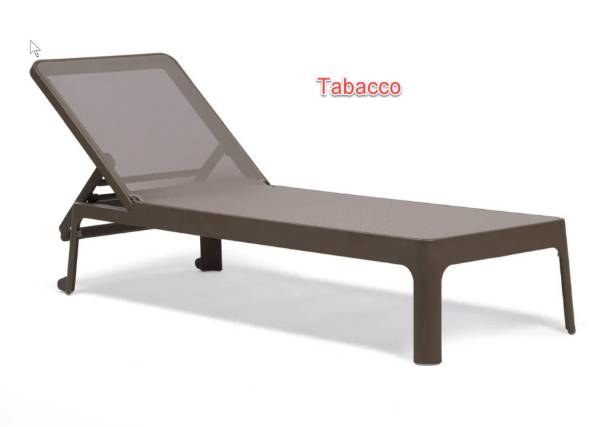
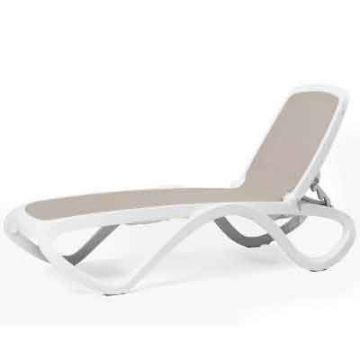
An Adirondack chair can anchor a corner. Add a side table and the corner becomes a place to sit with a cup or a book. A porch swing can suit a longer wall or covered area where gentle movement feels natural. A garden bench can define the edge of a path, while a chaise lounge works where the goal is stretching out rather than sitting upright. The mix does not need to match perfectly. Consistent materials or colors can create visual order, while different seat styles give the space more than one use.
Traffic flow is easy to overlook. Chairs should not block the route to a door, gate or step. People also need room to pull a chair back and sit down without moving another piece. If a table is included, leave enough space for a person to slide in and out. A patio that looks generous in an empty photograph can feel tight once every seat is occupied.
Think about sightlines as well. A low chair gives a clear view across a garden. A high-backed chair can create a sense of privacy when turned toward planting or a fence. Groups of chairs facing inward encourage conversation. Chairs facing outward turn attention toward the view. Neither arrangement is wrong, but each creates a different mood.
Details that make the space easier to keep ready
An outdoor area is more likely to be used when it is easy to keep tidy. Smooth surfaces wipe down quickly. Open spaces under seating shed leaves rather than trapping them. Furniture with simple shapes can be hosed off and returned to place without a long routine. This is one reason resin pieces often suit busy patios, commercial settings and shared spaces where furniture gets frequent use.
Cushions add comfort but also add a routine. They need drying after rain and storage during long wet periods if they are to stay fresh. A bench or chair with good airflow beneath the seat can reduce trapped moisture. If cushions are part of the plan, choose covers that fit well and can be removed without struggle. Loose covers that bunch up can look untidy and feel uncomfortable.
Small tables are useful because they keep objects off the ground and reduce the need to get up. A surface near a lounge or chair can hold a drink, sunglasses or a phone. For dining pieces, the table height should match the chairs. A relaxed lounge chair may not pair well with a standard dining table, because the seated posture is different. Mixing styles is fine, but the heights need to make the setting comfortable.
It also helps to consider storage without turning the patio into a storage area. Baskets or covered boxes can hold cushions and small items, but they should not crowd the seating. A clear, calm surface around the furniture makes the space feel more restful. Even a few deliberate choices, such as keeping a side table near the most used chair and leaving a path open, can make the area feel ready for everyday use.
Choosing for the way a space will actually be used
The best outdoor seating plan starts with ordinary behavior. Where does the sun fall in the afternoon? Which door gets used most? Is the space meant for one person reading, two people talking or a group eating? The answers point toward different pieces. Outdoor Adirondack chairs suit a slower, settled corner. Dining chairs and tables suit meals. Lounges suit long stretches outdoors. Benches and swings add flexibility, especially where space is limited.

The choice also depends on how much care feels reasonable. A natural wood setting may appeal for its look but can require ongoing attention. Resin options may suit someone who prefers a simpler routine. Upholstery can make a space feel softer but introduces extra cleaning and drying. None of these choices is universal. The useful question is which trade-offs fit the space and the people using it.
Comfort should be checked through details rather than appearance alone. Sit distance from the ground, arm height, back angle and available space all shape the experience. A chair that looks inviting in a showroom may feel different on a windy deck or beside a bright wall. Pay attention to the body positions the furniture encourages. If the space should feel calm, choose pieces that let people settle without constantly adjusting.
In the end, everyday unwinding comes from a practical fit between furniture, setting and routine. A stable chair in a shaded corner can do more than a crowded arrangement of many pieces. A table within reach can make a short visit feel easy. A bench along a path can turn an overlooked edge into a place to pause. When those features work together, the patio becomes less of a display and more of a space that supports ordinary breaks outdoors.